
Arizona Proposition 144 pros and cons: the strongest argument on each side
· 8 min read
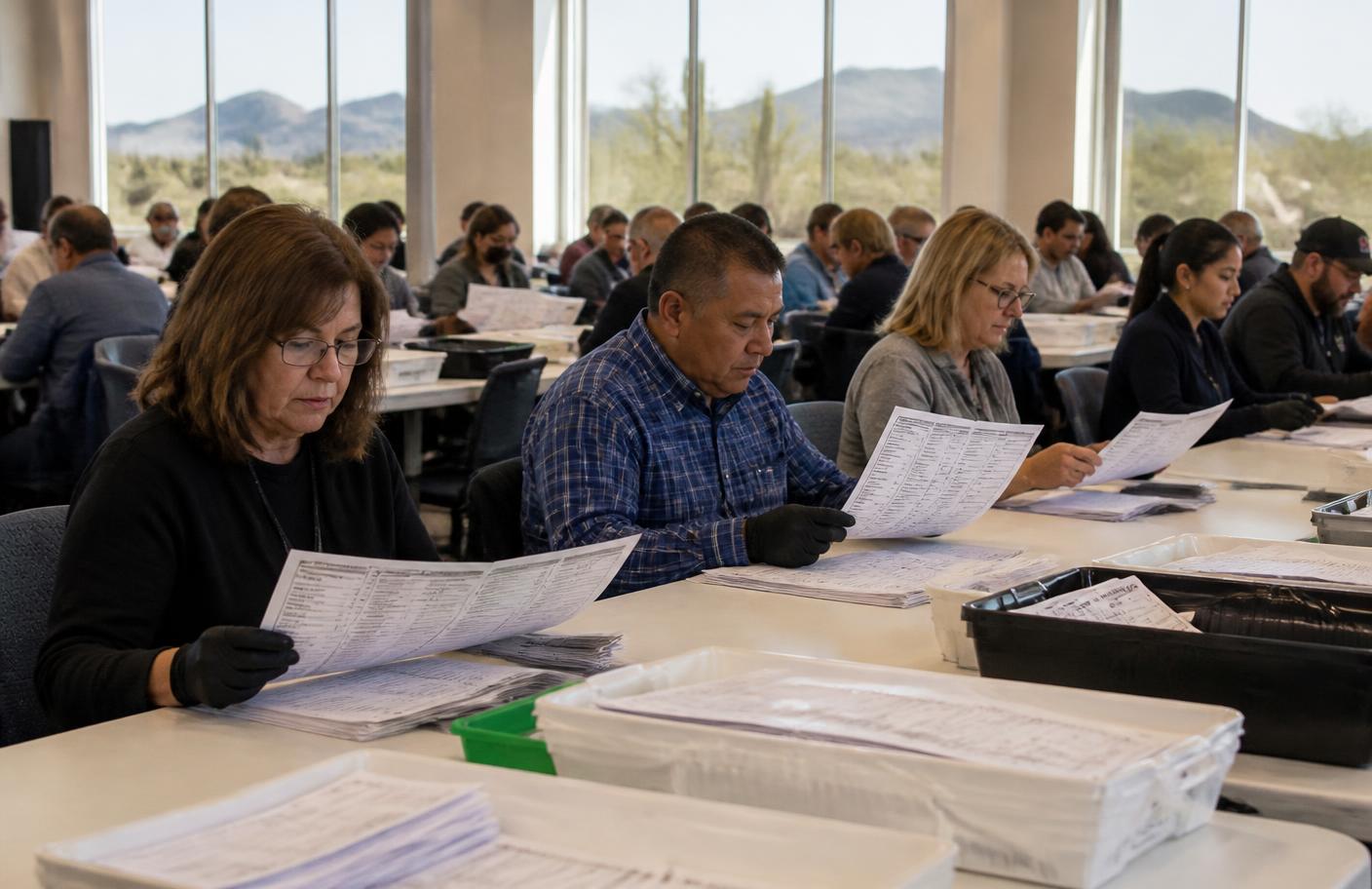
This page is published by the Yes on 144 campaign, so treat it as an advocacy source. That said, a voter deciding a constitutional amendment deserves the real arguments on both sides, not a caricature of the other one.
For arguments filed by the public in the official record, read the Secretary of State's publicity pamphlet at azsos.gov, which prints pro and con statements submitted by Arizonans.
The case FOR Prop 144
Supporters make four arguments.
- Speed with a purpose. Days-long counts leave a vacuum that rumor fills. A ballot counted at the voting location is a ballot nobody has to argue about a week later.
- One standard for everyone. Arizona already asks for identification to vote in person. Applying a single ID standard to every ballot removes the asymmetry between how in-person and mail ballots are verified.
- Objective verification. Signature comparison is a trained human judgment call. An ID check is a document check, which is easier to audit and easier to explain.
- Closing a foreign-money gap. Federal law already bars foreign nationals from giving to candidates, but ballot-measure spending sits in a grayer area at the state level.
The case AGAINST Prop 144
Opponents raise arguments that deserve a straight answer rather than a dismissal.
- Access burden. Any new documentation requirement risks tripping up voters who lack a current ID, disproportionately older, rural, low-income and disabled voters.
- Administrative cost and complexity. Counties would need new procedures, training and equipment, and county recorders have raised implementation questions.
- Constitutional permanence. Putting election procedure in the constitution rather than statute makes it much harder to fix if a provision works badly in practice.
- Signature verification is not nothing. Election officials argue signature matching is a real and tested safeguard, and that replacing its role deserves careful scrutiny.
How supporters respond
On access: the measure as written provides for government-issued identification at no cost, which is the direct answer to the cost objection, though voters should judge for themselves whether 'free and available' is delivered in practice.
On cost and complexity: supporters point to the fact that Arizona counties already run in-person ID checks at every voting location on election day, so the workflow is not novel.
On permanence: supporters argue that is the point, election rules that shift year to year are part of why confidence is low, and a constitutional standard is stable in a way statute is not.
Deciding for yourself
If your top priority is minimizing any friction in casting a ballot, the access objection will weigh heavily for you. If your top priority is a count that finishes fast under one rule everyone can see, the case for is strong. Read HCR 2001 at azleg.gov and the official pamphlet at azsos.gov before you decide.
Frequently asked
Check the primary sources
This page is published by the Yes on 144 campaign. Read the measure and the official ballot materials yourself:
- HCR 2001 measure text, Arizona Legislature
- Official ballot language + publicity pamphlet
- Register, update your address, track your ballot
Read our full breakdown of what Prop 144 does.