
Signature verification vs. voter ID: how the two systems actually differ
· 7 min read
Nearly every serious argument about Prop 144 comes down to whether replacing signature comparison's central role with an identity document is an improvement. Here is an honest description of both systems.
How signature verification works
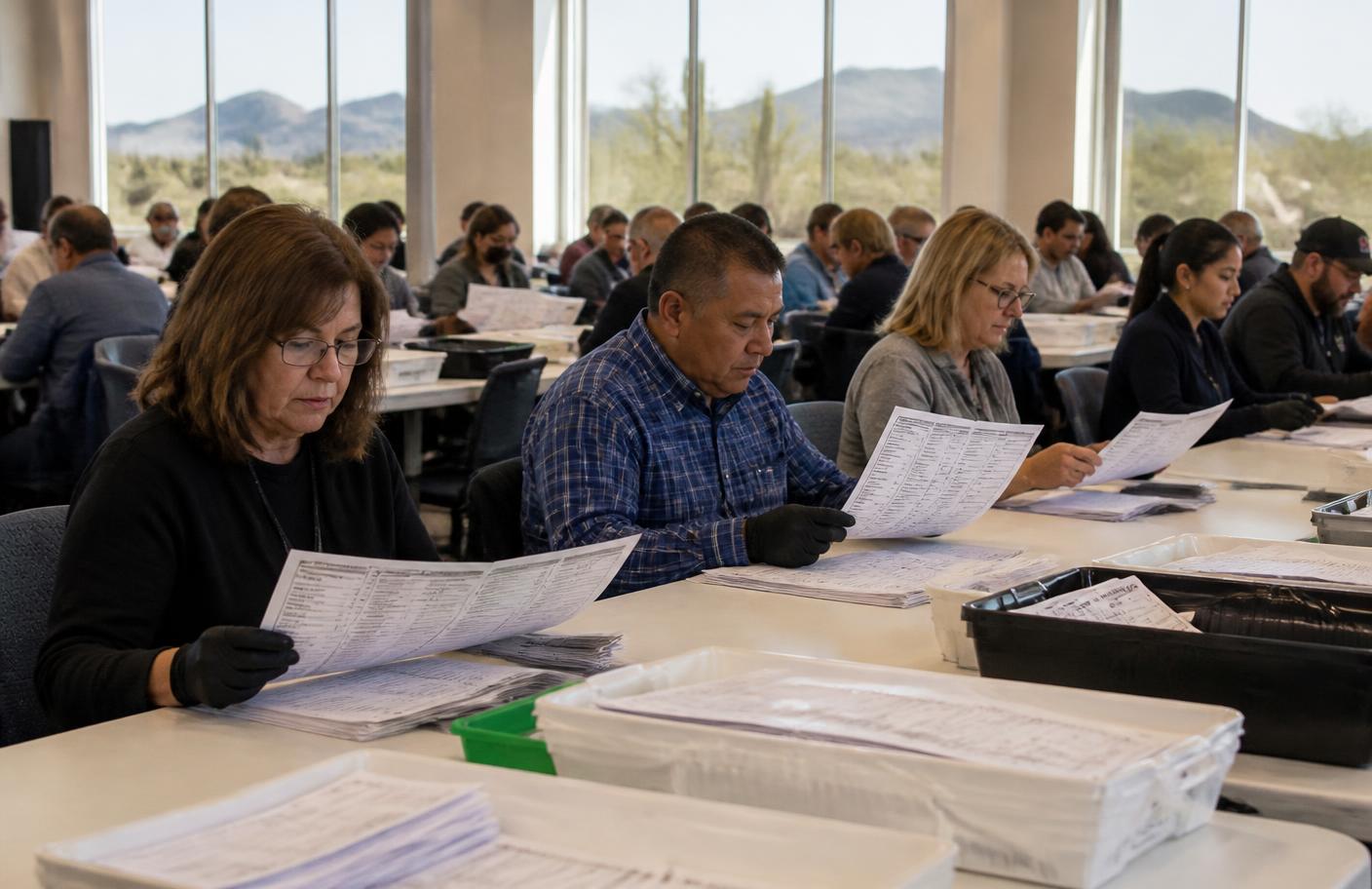
A trained worker pulls up the signatures a county has on file for you, from your registration form, MVD records, and prior ballot envelopes, and compares them to the signature on your envelope. If the reviewer is not satisfied, the envelope goes to a second-level review, and then to the curing process where the county tries to contact you.
Its strengths: it requires nothing extra from the voter and it catches envelopes signed by someone else. Its weaknesses: handwriting changes with age, illness and injury; the judgment is subjective; and reviewers work at enormous volume against a deadline.
How an identity check works
You present or provide a government-issued identification, and the number or document is checked against your record. It is a match-or-not check rather than a similarity judgment.
Its strengths: consistency, auditability, and speed. Its weakness: it depends on the voter possessing current identification, which is exactly why Prop 144 pairs the requirement with free government-issued ID.
The equity argument, taken seriously
Opponents point out that older, rural, disabled and low-income voters are likelier to lack current identification. That is a real concern, and it is the reason the cost provision matters so much. Supporters counter that signature verification has its own equity problem in the other direction: it is precisely older voters and voters with tremors, strokes or arthritis whose signatures drift and get flagged for curing.
Neither system is costless. The question is which failure mode you would rather have, and whether the free-ID provision is delivered in practice.
Why the campaign favors the ID standard
Because it is explainable. A voter whose ballot was rejected for a signature mismatch has to be told a specialist thought their handwriting looked different. A voter who provides ID has a rule they can satisfy in advance and confirm for themselves. Predictability is its own kind of access.
Frequently asked
Check the primary sources
This page is published by the Yes on 144 campaign. Read the measure and the official ballot materials yourself:
- HCR 2001 measure text, Arizona Legislature
- Official ballot language + publicity pamphlet
- Register, update your address, track your ballot
Read our full breakdown of what Prop 144 does.